Essential Forex Trading Practice for Beginners
Forex trading is an exciting but complex endeavor that requires a solid understanding of market dynamics and effective trading strategies. To increase your chances of success, practicing your trading skills is essential. Whether you’re new to the forex market or looking to sharpen your skills, forex trading practice Qatar Brokers can provide valuable resources and support. This article explores various practices that can refine your trading techniques and enhance your decision-making abilities.
Understanding Forex Trading Basics
Before diving into practical trading exercises, it’s crucial to understand the fundamentals of forex trading. The forex market operates 24 hours a day, allowing traders to buy and sell currency pairs. The price of each currency pair is influenced by a variety of factors, including economic indicators, geopolitical events, and market sentiment. Familiarizing yourself with these concepts will set a solid foundation for your trading practice.
The Importance of a Trading Plan
A well-structured trading plan is essential for any trader. It provides clear guidelines on how to enter and exit trades, manage risk, and define your overall trading goals. A good trading plan should include:
- Market Analysis: Analyze the market trends and conditions before making trades.
- Risk Management: Determine how much capital you are willing to risk on each trade.
- Entry/Exit Strategies: Define specific criteria for when to enter and exit trades.
- Performance Evaluation: Regularly review and analyze your trading performance to identify areas for improvement.
Using a Demo Account for Practice
One of the most effective ways to practice forex trading is to use a demo account offered by many brokers. A demo account allows you to trade with virtual currency, giving you the opportunity to practice your strategies without the risk of losing real money. Here are some benefits of using a demo account:
- Risk-Free Environment: Practice your trading strategies without any financial risk.
- Familiarization with Trading Platforms: Get comfortable navigating the trading platform and using various features.
- Testing Strategies: Experiment with different trading strategies and see their effectiveness in real-time scenarios.
- Building Confidence: Gain confidence in your trading abilities before risking real capital.
Developing Emotional Discipline

Trading can evoke strong emotions, which can significantly impact decision-making. Developing emotional discipline is crucial for maintaining a clear mind while trading. To cultivate emotional discipline, consider the following practices:
- Stick to Your Plan: Avoid deviating from your trading plan, even when emotions run high.
- Practice Mindfulness: Engage in mindfulness techniques to help manage stress and anxiety.
- Accept Losses: Understand that losses are a part of trading, and focus on learning from them instead of dwelling on them.
Conducting Thorough Market Research
Effective forex trading hinges on thorough market research. This includes studying economic indicators, understanding news events that may affect currency prices, and keeping an eye on global market trends. By conducting research, you can make informed trading decisions and anticipate market movements. Additionally, leveraging resources like economic calendars and financial news websites can keep you updated with the latest market developments.
Implementing Technical and Fundamental Analysis
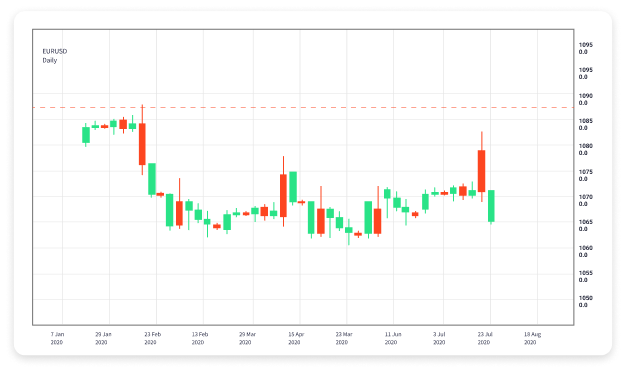
Two primary analytical approaches can guide your trading decisions: technical analysis and fundamental analysis. Technical analysis involves examining price charts and patterns to forecast future price movements. Indicators such as moving averages, RSI, and MACD can aid in this process. On the other hand, fundamental analysis focuses on economic data and news that may influence currencies. By combining both analyses, you can create a more comprehensive trading strategy.
Setting Realistic Goals
When practicing forex trading, it’s essential to set realistic and achievable goals. Consider the following when establishing your trading goals:
- Time Commitment: Determine how much time you can dedicate to trading each week.
- Profit Expectations: Set attainable profit targets based on your experience level and market conditions.
- Learning Objectives: Identify specific skills or strategies you wish to develop over time.
Continuous Learning and Development
The forex market is dynamic and constantly evolving, requiring traders to stay informed and adapt their strategies. Consider the following to keep your skills sharp:
- Attend Webinars: Participate in online webinars to gain insights from experienced traders.
- Read Books and Articles: Invest time in reading resources that cover advanced trading strategies and market analysis.
- Join Trading Communities: Engage with other traders in forums or social media groups to exchange ideas and experiences.
Conclusion
Forex trading practice is crucial for success in the fast-paced world of currency trading. By understanding the fundamentals, creating a trading plan, utilizing demo accounts, and continuously improving your skills, you can enhance your trading performance. Embrace the learning process, remain disciplined, and strive for consistent growth in your trading journey. As you refine your skills and strategies, you’ll find yourself better equipped to navigate the complexities of the forex market.
