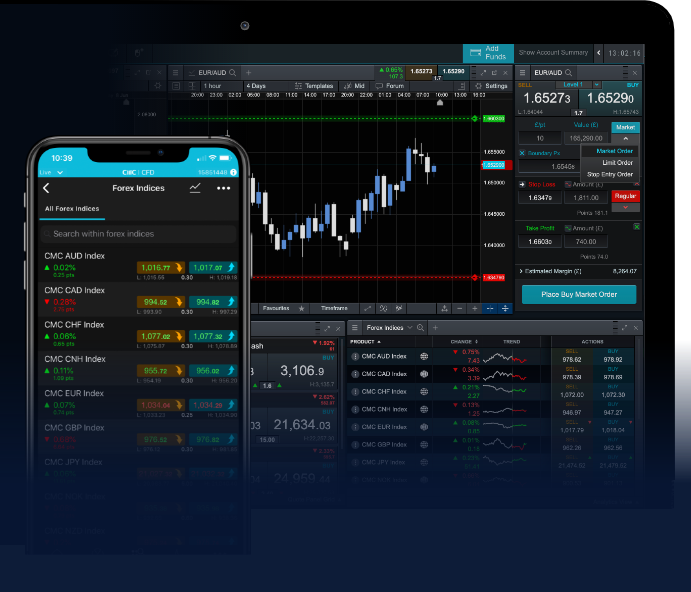
In the fast-paced world of forex trading, having a well-defined strategy is essential for success. The foreign exchange market offers numerous opportunities for traders, but without a clear plan, it can also be a place of significant losses. This article will delve into effective forex trading strategies Trading Cambodia, discussing various methods and tips to enhance your trading skills.
Understanding Forex Trading Strategies
Forex trading strategies refer to the methods used by traders to maximize profits and minimize losses in currency trading. These strategies can be categorized into several different types, including technical analysis, fundamental analysis, trend-following, and counter-trend strategies. Understanding the nuances of each strategy is crucial in developing a trading style that suits your personality and risk tolerance.
1. Technical Analysis
Technical analysis involves using historical price charts and indicators to predict future price movements. Traders employing this strategy often rely on various tools, such as moving averages, Bollinger Bands, and Relative Strength Index (RSI) to identify potential entry and exit points. The fundamental belief behind technical analysis is that market trends, historical price movements, and volume data can provide valuable insights into future price behavior.
Key Indicators in Technical Analysis
- Moving Averages: Used to smooth out price data and identify trends over a specific period.
- Bollinger Bands: A volatility indicator that provides a range within which the price is expected to move.
- Relative Strength Index (RSI): An oscillator that measures the speed and change of price movements, indicating overbought or oversold conditions.
2. Fundamental Analysis

Fundamental analysis looks at economic indicators, news events, and geopolitical factors that can influence currency values. Traders employing this strategy analyze reports such as interest rates, inflation data, and employment statistics to make informed trading decisions. The idea is that by understanding the economic environment, traders can forecast currency movement based on overarching economic conditions.
Important Economic Indicators
- Interest Rates: Changes in interest rates can cause currency prices to rise or fall. Higher rates typically attract more foreign capital, leading to an appreciation of the currency.
- Gross Domestic Product (GDP): A strong GDP growth rate signals a healthy economy, which can boost investor confidence in a nation’s currency.
- Employment Figures: Job creation data, such as Non-Farm Payrolls in the U.S., can significantly influence market perception of a country’s economic health.
3. Trend-Following Strategies
Trend-following is a popular strategy that involves identifying and trading in the direction of an established trend. Traders look to capitalize on momentum, buying in an uptrend and selling in a downtrend. One of the primary instruments used in trend-following is the moving average, which helps to determine the direction of the trend.
Implementing Trend-Following Strategies
Here are some key steps to implement trend-following strategies:
- Identify the trend using moving averages or trend lines.
- Enter trades aligned with the trend, using breakout points for entry.
- Set trailing stops to lock in profits while allowing for potential upward movement.
4. Counter-Trend Strategies

Unlike trend-following strategies, counter-trend strategies involve trading against the prevailing market trend. Traders undertaking this approach look for signs of market reversal, which often occur at key support and resistance levels. This strategy can be riskier, as traders must be adept at identifying potential reversals to avoid significant losses.
Considerations for Counter-Trend Trading
- Look for overbought or oversold conditions indicated by oscillators like RSI or Stochastic Oscillator.
- Pay attention to key support and resistance levels where price reversals are more likely to occur.
- Use tight stop-loss orders to manage risk effectively and protect your capital.
5. Risk Management Strategies
A crucial aspect of any successful forex trading strategy is effective risk management. Traders must establish rules on how much capital to risk on each trade and use tools like stop-loss orders to minimize potential losses. A common recommendation is to risk no more than 1-2% of your trading capital on a single trade.
Effective Risk Management Techniques
- Determine your risk tolerance before placing trades.
- Use stop-loss orders to protect against significant losses.
- Diversify your trades across different currency pairs to spread risk.
Conclusion
Mastering forex trading strategies requires time, practice, and a willingness to learn. Whether you decide to focus on technical analysis, fundamental analysis, or a combination of both, having a structured strategy is vital. Additionally, prioritizing risk management will help safeguard your trading capital, allowing you to navigate the forex market with confidence. With dedication and the right techniques, you can develop a trading strategy that aligns with your goals and enhances your chances of success in the dynamic world of forex trading.
