When it comes to trading, two of the most popular options are trading forex vs stocks Trading PH and stocks. Each market offers unique opportunities and challenges, appealing to different types of traders. Understanding the distinctions between Forex and stock trading can help potential investors determine which avenue aligns best with their goals and trading styles. In this article, we will explore the differences, advantages, and disadvantages of Forex and stock trading to help you make an informed decision.
What is Forex Trading?
Forex, or foreign exchange, involves the trading of currencies against one another. Traders buy one currency while simultaneously selling another, aiming to profit from fluctuations in exchange rates. The Forex market operates 24 hours a day, five days a week, making it one of the most accessible and liquid markets in the world.
What are Stocks?
Stocks represent ownership in a company. When you purchase a share of stock, you gain a claim on part of the company’s assets and earnings. Stocks are traded on stock exchanges and are usually affected by changes in company performance, overall market conditions, and investor sentiment. Unlike Forex, stock trading is generally limited to the hours of the stock exchanges, which vary by region.
Market Accessibility
One of the biggest advantages of the Forex market is its accessibility. Because it is open 24 hours a day, traders can initiate trades at virtually any time. This is ideal for those who have full-time jobs or other commitments, allowing them to trade when it is convenient for them. On the other hand, stock trading is restricted to specific hours, which can be a drawback for part-time traders.

Liquidity
The Forex market is known for its high liquidity, with an average daily trading volume exceeding $6 trillion. This means that traders can enter and exit positions with ease and at competitive prices. In contrast, the liquidity of stocks can vary significantly. While blue-chip stocks tend to be highly liquid, smaller or less popular stocks might present challenges when trying to buy or sell without impacting the price.
Leverage
Leverage is a key feature of Forex trading, allowing traders to control larger positions than their account balance would ordinarily permit. For instance, a leverage ratio of 100:1 means that a trader can control $100,000 in the market with just $1,000 of their own capital. While this can amplify profits, it can also increase the risk of significant losses. In stock trading, leverage is generally lower, with typical ratios around 2:1 or 4:1. This means that while profit potential is reduced, the risk is also more manageable.
Volatility
Both Forex and stocks experience volatility, but the nature and sources of this volatility differ. The Forex market can be prone to sudden shifts based on geopolitical events, economic announcements, or changes in monetary policy. Stocks, on the other hand, can exhibit volatility due to company-specific news, earnings reports, and overall market sentiment. Understanding these factors is essential for developing effective trading strategies.
Technical and Fundamental Analysis
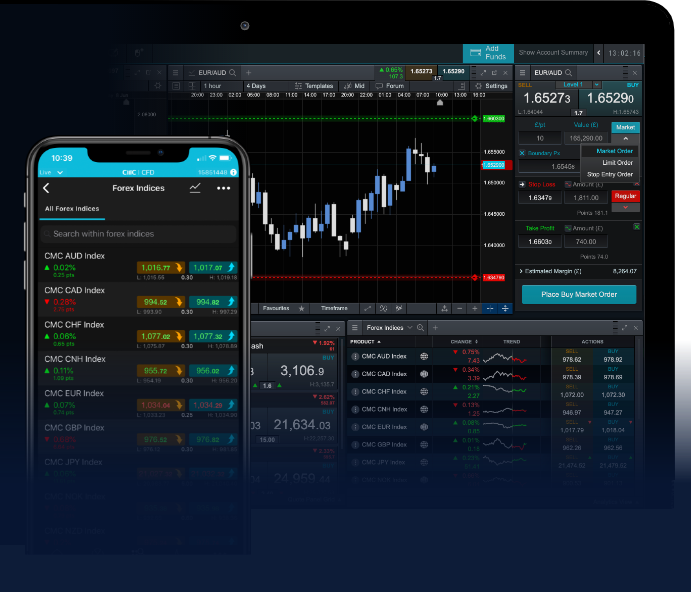
In both Forex and stock trading, analysis plays a crucial role. Technical analysis involves studying price charts and indicators to make trading decisions, while fundamental analysis focuses on economic indicators, interest rates, and other macroeconomic factors. Traders in both markets often use a combination of both analyses. However, Forex traders may place greater emphasis on economic data releases, given their direct impact on currency values, while stock traders might focus more on company earnings and industry trends.
Costs and Fees
The cost of trading is another vital consideration. Forex trading often involves lower transaction costs, with many brokers offering tight spreads and minimal commissions. However, the spread can widen in times of high volatility. Stock trading costs can vary significantly based on the broker, with some charging commissions for each trade, while others might offer commission-free trades. It’s essential to analyze your trading volume and strategies to understand the potential costs.
Emotional Factors
Trading is as much a psychological game as it is a financial one. Both Forex and stock traders face emotional challenges, but the fast-paced nature of Forex trading can exacerbate these feelings. The ease of opening a trade at any time can lead to impulsive decisions. Stock trading offers more measured opportunities, but the emotional impact of holding onto losing trades can be severe. Developing a robust trading plan and maintaining discipline is crucial in both markets.
Conclusion
Ultimately, the choice between trading Forex and stocks depends on your individual preferences, trading style, and risk tolerance. Forex may be more suitable for those seeking flexibility and higher leverage, while stock trading could be the better choice for those who prefer investing in companies with fundamental growth potential. Regardless of the market you choose, proper education, risk management, and emotional control will play significant roles in achieving success. Both Forex and stock trading offer unique advantages, and understanding these can help you make the best decision for your investment journey.
