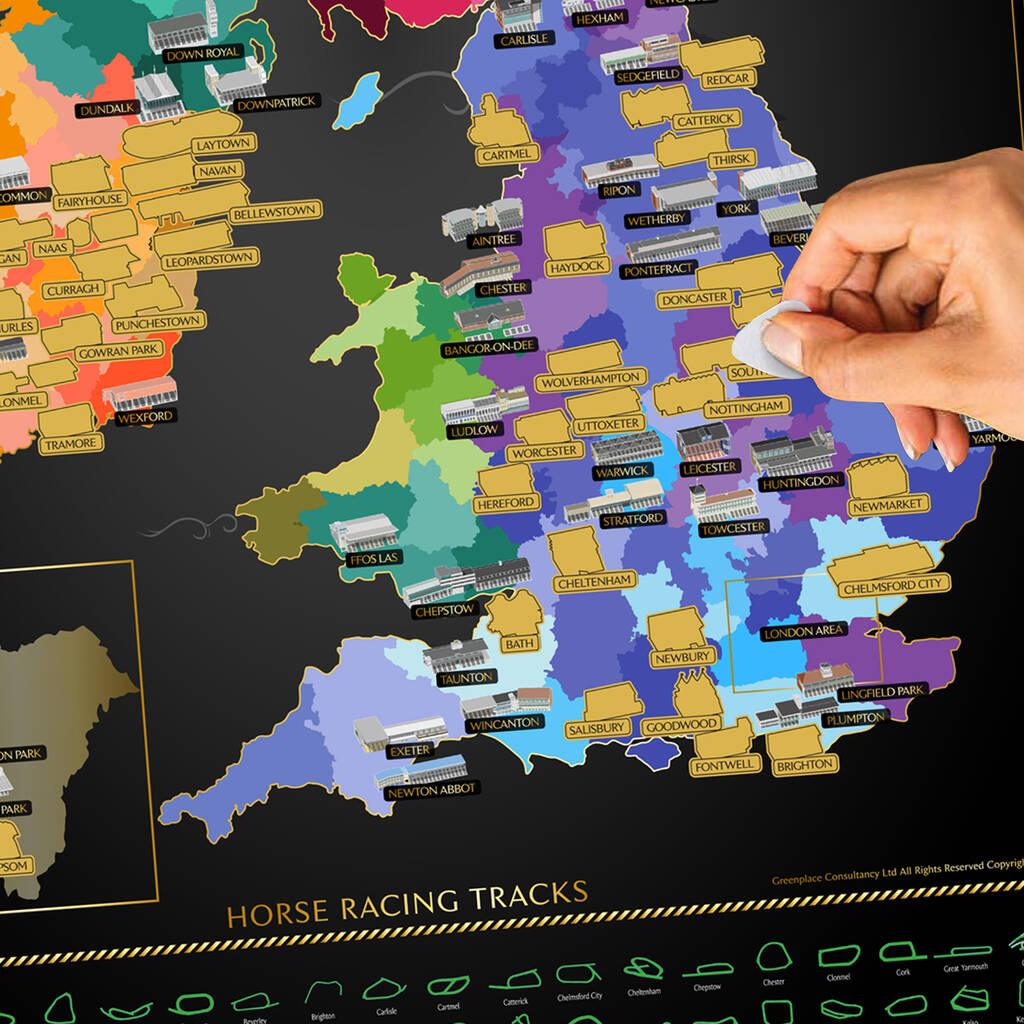
The Impact of British Horse Racing Suspension on the Industry
The British horse racing industry is one of the oldest and most esteemed sporting endeavors in the UK, woven deeply into the cultural heritage and economy of the nation. However, the recent suspensions of horse racing events have raised crucial questions concerning the implications on various sectors linked to this iconic sport. You can learn more about the British horse racing environment at British horse racing not on GamStop https://equifacs.co.uk/. This article will delve into the ramifications of these suspensions, touching upon the economic impact, horse welfare, and the future of the sport.

Understanding British Horse Racing
Horse racing in Britain encompasses a myriad of events, from flat races to jumps, contributing significantly to the economy. It is a sport that generates employment, stimulates tourism, and attracts considerable betting revenues. The British Horseracing Authority governs this vibrant industry, ensuring the fair management of events, horse welfare, and compliance with regulations. However, external factors such as the current global climate, health crises, and economic challenges have necessitated the suspension or postponement of several racing events.
The Economic Consequences of Suspended Racing Events
The economic ramifications of suspending horse racing are profound. According to recent reports, the British horse racing industry contributes over £3.5 billion annually to the economy and supports around 85,000 jobs directly and indirectly. The immediate cessation of events leads to significant black holes in income for trainers, stable staff, jockeys, and racecourse personnel. Without races to engage in, many of these workers find themselves with diminished financial security and uncertainty regarding future employment opportunities.
Moreover, the closure of racecourses affects local economies that depend heavily on racing-related tourism. Many towns and cities thrive during racing season, welcoming visitors who spend on accommodation, food, transportation, and entertainment. The absence of these events means a lost opportunity for local businesses to benefit from the influx of visitors, resulting in further economic strain.
Horse Welfare Concerns
Besides economic consequences, the welfare of the horses involved in racing is a pressing issue. When racing events are halted, the daily routines of training and exercise are disrupted, potentially affecting the physical health and psychological well-being of the animals. Consistent exercise and proper mental stimulation are essential for maintaining a horse’s condition and well-being. Trainers and caretakers must adapt to the new scenario, rethinking their methods to ensure that the horses remain healthy and engaged.
Additionally, the potential for increased horse ownership costs emerges during these periods. Owners, while committed to their horses’ welfare, may experience financial strain when the income generated by racing is halted, prompting difficult decisions regarding the care and management of their equine athletes.
The Role of Technology in Maintaining Engagement
In response to these unprecedented challenges, the British horse racing industry has embraced technology and innovation to maintain engagement with fans and bettors. Virtual racing, online simulcasts, and social media campaigns have become vital tools for engaging audiences who traditionally attend live events. The introduction of virtual races provides a modicum of entertainment and retains interest in the sport, allowing trainers and owners to showcase their horses while maintaining a connection with fans.
The Future of Horse Racing in Britain
The suspension of racing raises critical inquiries about the future of the industry. Questions about sustainability, adaptation, and innovation will dominate discussions in the coming months. Stakeholders are called upon to reassess the sport’s structure, exploring ways to enhance financial resilience while ensuring the highest standards of horse welfare. Collaborative efforts between the government, racing authorities, and industry representatives are essential to devise strategies that can weather similar challenges in the future.
Public Engagement and Support for Racing
The role of public engagement cannot be overstated. Horse racing has a passionate fan base that transcends socioeconomic backgrounds. Leveraging this passion through community events, educational programs, and grassroots initiatives can rekindle enthusiasm for the sport during these challenging times. Engaging the public’s interest through open dialogues on horse welfare, responsible ownership, and the history of the sport can strengthen ties and foster a supportive environment for recovery.
Conclusion: A Path Forward
The suspension of British horse racing has unveiled vulnerabilities within this cherished sport, but it also presents an opportunity to reflect, regroup, and innovate. While the immediate impacts are concerning, the industry’s resilience and adaptability will be tested. By prioritizing the welfare of horses, supporting economic recovery, and engaging with fans, British horse racing can pave a path toward a sustainable and vibrant future. Moving forward, unity within the industry and a commitment to excellence will be paramount to ensuring that this historic sport not only survives but thrives in the years to come.
