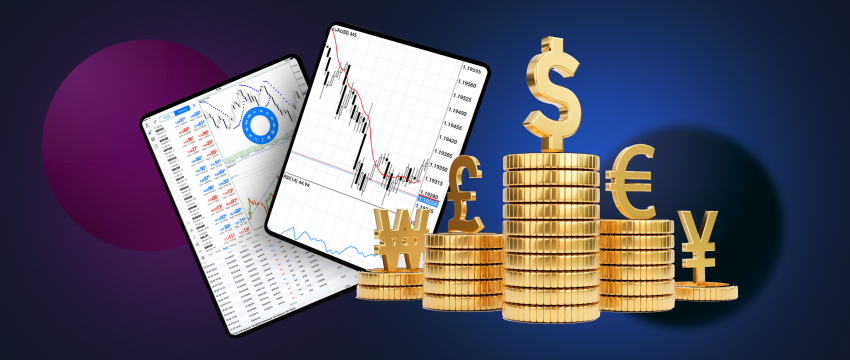
The Ultimate Guide to Finding the Best CFD Trading Platform
For traders who are looking to capitalize on financial markets without owning the underlying assets,
finding the best cfd trading platform best CFD brokers is essential. Contract
for Difference (CFD) trading allows individuals to speculate on the price movements of a variety
of financial instruments like stocks, commodities, currencies, and cryptocurrencies. With the
rise in online trading, many platforms have emerged, each promising to offer the best services
and tools for successful trading.
In this article, we will explore what makes a CFD trading platform the best, key features to
consider, and tips for selecting the right one for your needs. Whether you are a beginner or a
seasoned trader, the right platform can significantly affect your trading experience and outcomes.
Understanding CFD Trading
Before diving into the platforms themselves, it’s important to understand what CFD trading entails.
CFD trading is a derivative trading strategy where the trader enters into a contract with a broker
to exchange the difference in the value of an asset from the point of opening to the point of closing
the trade. This means traders can profit from both rising and falling markets without owning the
assets outright, using leverage to amplify their potential returns.
Key Features of the Best CFD Trading Platforms
When evaluating different CFD trading platforms, several key features play a crucial role in determining
their effectiveness and suitability for your trading style:
1. User-Friendly Interface
A well-designed trading platform should be intuitive and easy to navigate. Look for platforms that
offer a clean layout, customizable dashboards, and easy access to trading tools and charts.
2. Range of Instruments
The best CFD trading platforms provide access to a wide variety of financial instruments. This includes
stocks, indices, commodities, forex pairs, and cryptocurrencies, giving traders ample opportunities to
diversify their portfolios.
3. Leverage and Margin Requirements
One of the main advantages of CFD trading is the ability to use leverage, which allows traders to control
larger positions with a smaller amount of capital. However, different platforms offer different leverage,
and it is essential to understand the margin requirements before you trade.
4. Educational Resources
Especially for beginners, educational resources provided by a platform can enhance your trading skills.
Look for platforms that offer tutorials, webinars, eBooks, and market analysis to help you make informed decisions.
5. Fees and Commissions

Different platforms charge various fees, including spreads, commissions, and withdrawal fees. Understanding
the cost structure is essential for profitability, as high fees can erode your gains. Compare fee structures
of different platforms to find one that suits your trading frequency and investment style.
6. Customer Support
Effective customer support can save you time and resolve issues quickly. Check if the platform offers
multiple support channels such as live chat, email, and phone support, and consider the availability of
support in your region.
7. Regulation and Security
Ensure that your chosen CFD trading platform is regulated by a recognized authority, such as the FCA in the
UK or ASIC in Australia. This adds a layer of security to your funds and ensures fair trading practices.
Comparing Popular CFD Trading Platforms
Numerous online trading platforms vie for attention in the CFD trading arena. Here, we will compare some
of the leading options based on the above-mentioned features.
1. eToro
eToro is renowned for its social trading features, where users can follow and replicate the trades of successful
investors. It offers a user-friendly interface with a variety of instruments and educational resources, making
it an excellent choice for beginners.
2. IG
IG is another well-established broker known for its comprehensive range of markets and advanced trading platform.
They offer competitive spreads, a wealth of educational content, and robust analytical tools.
3. Plus500
Plus500 is widely recognized for its intuitive trading platform that caters to both new and experienced traders.
They provide zero-commission trading with fixed spreads, making it appealing for many traders.
4. CMC Markets
CMC Markets stands out for its extensive range of charts and technical analysis tools. They cater to all levels of
traders with competitive pricing and a suite of educational resources.
Conclusion: Choosing the Right CFD Trading Platform
Selecting the best CFD trading platform is a subjective decision that may vary based on your individual needs
and trading style. It’s essential to conduct thorough research, review the features that matter the most to you,
and even test out platforms with demo accounts.
Remember that while a great platform provides the tools for successful trading, your skills, knowledge, and
discipline are ultimately what will lead to your trading success. Always stay informed about market trends,
develop a robust trading strategy, and manage your risk wisely.
