
Identifying Red Flags: Understanding Warning Signs Across Various Contexts
Red flags serve as critical indicators in various aspects of life, acting as warning signs that something might be off or potentially harmful. These flags can appear in relationships, workplaces, financial dealings, and compliance with regulations. Understanding these red flags can help individuals make informed decisions and avoid potential pitfalls. For instance, what are red flags for a potential OFAC violation is a topic of great importance for businesses navigating regulatory compliance. In this article, we will explore what red flags are, the various contexts in which they appear, and how to recognize them effectively.
What Are Red Flags?
Red flags are signs or indicators that suggest there may be a problem or risk associated with a person, situation, or organization. These flags can be subtle or overt and may manifest through specific behaviors, patterns of conduct, or discrepancies in information. Being able to identify red flags can aid in decision-making processes, allowing individuals and organizations to take preventive measures.
Red Flags in Relationships
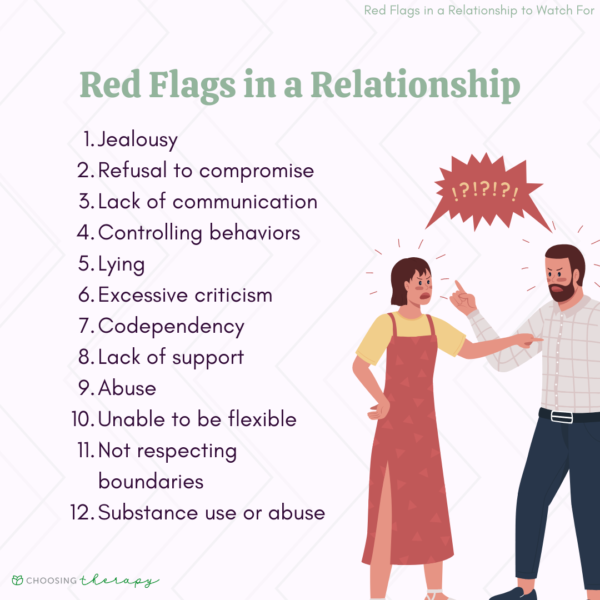
In the realm of personal relationships, red flags can be crucial for identifying unhealthy dynamics. Here are some common red flags to lookout for:
- Lack of Communication: Healthy relationships thrive on open and honest communication. If one partner consistently avoids discussions or shuts down conversations, it may indicate deeper issues.
- Controlling Behavior: If someone tries to control aspects of your life, such as your friendships, finances, or even what you wear, this is a significant red flag.
- Disrespect: Any form of disrespect, whether through verbal insults or belittling comments, is a clear warning sign in a relationship.
- Isolation: If a partner encourages you to distance yourself from friends and family, this is a troubling sign that they may be trying to exert control over you.
Recognizing these red flags early on can help individuals make better choices and protect their emotional well-being.
Red Flags in the Workplace
Identifying red flags in the workplace is essential for maintaining a healthy work environment. Here are some key indicators:
- High Employee Turnover: If an organization has a pattern of employees leaving frequently, it can signal deeper issues such as poor management or a toxic work culture.
- Lack of Transparency: Companies that are not open about their practices, policies, and decision-making processes may be hiding issues that could affect employees.
- Excessive Stress or Burnout: If employees consistently report feeling overworked or burned out, it may indicate an imbalance in workload or support.
- Negative Feedback Patterns: If constructive feedback is only negative and lacking in recognition for achievements, it can contribute to a demoralizing work environment.
Being vigilant about these signs can help foster a more positive and productive workplace culture.
Red Flags in Financial Situations
In financial contexts, red flags are vital for preventing fraud or making poor investments. Some common financial red flags include:
- Unlicensed or Unregistered Entities: When dealing with financial advisors or companies, ensure they are appropriately licensed. If they are not, it could be a red flag for potential fraud.
- Pressure to Invest Quickly: If someone is pushing you to make quick investment decisions without sufficient information, it may indicate they are trying to conceal the risks involved.
- Inconsistent Financial Statements: If financial documents, such as tax returns or bank statements, show discrepancies, this could point to fraudulent activities.
- Too Good to Be True Returns: If an investment promises exceptionally high returns with little to no risk, it’s a significant warning sign.
Being aware of these financial red flags can protect individuals and businesses from severe monetary loss.
Red Flags in Compliance and Regulations
In many industries, adhering to regulations is crucial for operational integrity. Identifying red flags in compliance can prevent legal issues. Key indicators may include:
- Missing or Inconsistent Documentation: In any compliant system, proper record-keeping is essential. Missing or inconsistent documentation can signal potential regulatory violations.
- Frequent Policy Changes: Constantly changing policies without clear reasons can indicate internal instability or an attempt to circumvent established regulations.
- Unusual Transactions: In financial compliance, recognizing transactions that deviate from the norm can help flag potential money laundering or fraud.
- Failure to Report Violations: If an organization does not promptly report compliance violations, it may signal a culture of non-compliance or negligence.
Organizations must remain vigilant in monitoring these red flags to maintain compliance and avoid legal repercussions.
Conclusion
Recognizing red flags across different areas of life is a crucial skill for personal and professional development. Whether in relationships, workplaces, financial dealings, or compliance matters, understanding and identifying these warning signs can prevent negative consequences. By paying attention to these red flags, individuals can make informed decisions, protect their well-being, and promote healthier environments. Stay alert and proactive in identifying red flags, and you will be better equipped to navigate the complexities of life.
