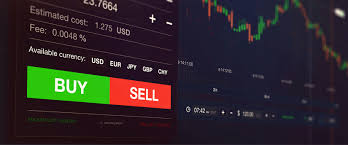
In the fast-paced world of finance, forex trading stands out as one of the most dynamic and lucrative markets. The evolution of technology has ushered in a new era where forex software trading Trading Uganda promotes advanced software solutions that help traders navigate this complex landscape. Let’s delve into the impact of forex trading software on the industry and what aspiring traders need to know.
Introduction to Forex Trading Software
Forex trading software is a specialized tool that enables traders to perform various functions related to currency trading. These tools come equipped with a range of features, from real-time data analysis to automated trading capabilities. They help traders of all levels streamline their strategies, manage risks, and enhance their decision-making processes.
The Key Benefits of Using Forex Trading Software
The implementation of forex trading software offers several compelling advantages that can significantly enhance a trader’s performance and experience.
1. Automation of Trading Strategies
One of the most significant advantages of forex trading software is the ability to automate trading strategies. With algorithmic trading, traders can set specific parameters and let the software execute trades on their behalf. This automation ensures that trades are executed promptly, without emotional interference, and according to predefined strategies.
2. Enhanced Data Analysis
Forex trading software provides powerful analytical tools that allow traders to analyze market trends and price movements effectively. With features like technical indicators, charting tools, and historical data analysis, traders can make more informed decisions based on comprehensive data insights.
3. Risk Management Capabilities
Proper risk management is crucial in forex trading. Trading software often includes features that help traders set stop-loss and take-profit levels, which can prevent significant losses and secure gains. This level of control is vital for long-term success in trading.
4. Access to Multiple Markets
Many forex trading software platforms offer access to a wide range of markets and currency pairs. This versatility allows traders to diversify their portfolios and take advantage of various opportunities across different economic conditions.
5. User-Friendly Interfaces
Modern forex trading software is designed with user-friendliness in mind. Intuitive interfaces make it easy for beginners to learn the ropes while providing advanced features for seasoned traders. This accessibility makes software a popular choice for individuals looking to enter the forex market.
Popular Forex Trading Software Options
Numerous forex trading software applications are available, each offering unique features and capabilities. Here are some of the most popular options:
1. MetaTrader 4 (MT4)
MetaTrader 4 remains one of the most widely used trading platforms due to its extensive features, such as automated trading through Expert Advisors (EAs), a comprehensive range of technical indicators, and the ability to customize charts. MT4 is favored by both novice and professional traders alike.

2. MetaTrader 5 (MT5)
An upgrade from MT4, MetaTrader 5 offers enhanced features, including more timeframes, additional technical indicators, and built-in support for stocks and commodities. MT5 provides a more robust trading environment that appeals to traders who seek a more versatile platform.
3. cTrader
cTrader is known for its user-friendly interface and advanced trading capabilities. It provides features like level II pricing, customizable charts, and algorithmic trading support, making it a popular choice among Forex traders who prioritize speed and performance.
4. TradingView
While not strictly a forex trading platform, TradingView is a powerful charting tool that offers social trading features. Traders can share ideas, collaborate on strategies, and access real-time data. It complements traditional trading software by providing an additional layer of analysis.
How to Choose the Right Forex Trading Software
Selecting the right forex trading software is crucial for your trading success. Here are some essential factors to consider when choosing:
1. User Experience
Look for software with an intuitive and user-friendly interface. A well-designed platform not only simplifies the trading process but also minimizes the learning curve for newcomers.
2. Compatibility
Ensure that the software is compatible with your trading device. Many platforms are now available on mobile devices and offer web-based access, allowing you to trade on the go.
3. Features and Tools
Consider what features are most important to you, such as automated trading, analytical tools, risk management options, and customization capabilities. Different software caters to different trading styles, so identify what aligns best with your strategy.
4. Cost and Fees
Review the cost structure of the software, including any subscription fees, commission rates, or hidden fees. Some platforms offer free versions with limited features, while others may have a one-time payment or charge a monthly fee.
5. Customer Support
Access to reliable customer support is critical, especially for beginners. Ensure the software provider offers responsive technical assistance and resources to help you navigate challenges that may arise during your trading journey.
Conclusion
The advent of forex trading software has revolutionized the way traders operate in the foreign exchange market. By automating processes, enhancing data analysis, and improving risk management capabilities, these tools empower traders to make more informed and efficient decisions. With a plethora of options available, it’s essential for traders to choose the right software that aligns with their goals and trading style. As the forex market continues to grow and evolve, the reliance on technology will only increase, making knowledge of software solutions an invaluable asset for anyone looking to succeed in forex trading.
